Why Most Pets Gain Weight (And How to Prevent It Early)

Updated: Mar 30
When it comes to pet health, one issue sneaks up on owners more often than they realize: weight gain. A few extra pounds might look harmless — even endearing — on a dog or cat, but behind the fluff can lie a serious problem. According to veterinary experts at Cornell University and the American Veterinary Medical Association, more than half of U.S. pets are overweight, and that number continues to climb each year.
Weight gain doesn’t happen overnight. It’s usually the result of small, loving habits — an extra scoop of kibble, a skipped walk, or a few too many treats shared from the table. Over time, those small choices add up. Before long, a once-energetic pet may move slower, struggle with stairs, or lose the playful spark that made them unique.
The good news? Healthy weight management doesn’t require drastic change — only awareness, consistency, and compassion. With a few simple adjustments, you can help your pet safely shed unhealthy pounds and rediscover the comfort, vitality, and joy of daily life.
1. Why It Matters
Weight isn’t just about appearance — it’s about quality of life. Every extra pound puts added strain on a pet’s joints, heart, and metabolism, making even ordinary movement more difficult. Over time, this stress can contribute to chronic pain and serious conditions such as diabetes, arthritis, and heart disease, according to the American Veterinary Medical Association (AVMA) and PetMD.
Research from the Cummings School of Veterinary Medicine at Tufts University shows that overweight pets often live shorter lives — sometimes by years. In contrast, pets who maintain a healthy weight enjoy stronger mobility, steadier energy, and fewer preventable illnesses.
But weight management isn’t about perfection; it’s about presence. A healthier body means more playtime, easier walks, and longer naps beside you on quiet afternoons. Those everyday moments of joy are what truly define a pet’s well-being — and what make each small step toward a healthier weight worth it.
Why Most Pets Gain Weight

2. Signs Your Pet May Be Overweight
Extra weight can hide easily under fur, but there are simple, hands-on ways to tell if your pet is carrying more than they should. These checks don’t replace a veterinarian’s evaluation, but they help you recognize early signs before extra pounds turn into health problems.
1. The Rib Test — Run your hands gently along your pet’s sides. You should feel their ribs without pressing hard. If you can’t, or if a soft layer of fat covers them, your pet may be overweight.
2. Look for a Waistline — Stand above your dog or cat and look down. A healthy shape has a visible waist-tuck between ribs and hips. If the sides bulge outward or look rounded, excess fat may be the cause.
3. Monitor Energy Levels — Overweight pets often tire quickly, avoid stairs, or lose enthusiasm for play. Sudden disinterest in toys, walks, or interaction can be a sign their body is working harder than it should.
4. Ask Your Vet — Veterinarians use a Body Condition Score (BCS) chart — typically ranked 1–9 — to measure a pet’s overall health and weight distribution (PetMD). At your next visit, ask your vet where your pet falls on that scale and what adjustments could help.
Even a few extra pounds can have measurable effects on comfort and mobility. Catching these signals early allows you to create small, positive changes before they develop into long-term issues.
3. Causes of Pet Obesity
Weight gain rarely happens all at once. It’s usually the quiet result of small, everyday habits that add up over time. By understanding the most common causes, you can make simple adjustments that keep your pet’s routine healthy and balanced.
1. Overfeeding and Free-Feeding — Leaving food out all day (also called “free-feeding”) or frequently “topping off” the bowl can feel generous, but most pets won’t self-regulate. According to the Cornell University College of Veterinary Medicine, even a small daily surplus can lead to steady weight gain over months.
2. Too Many Treats — Treats are powerful for training and bonding, but they’re also calorie-dense. The American Kennel Club (AKC) notes that treats should make up no more than 10% of your pet’s total daily calories.
3. Lack of Exercise — Modern pets spend much of their day indoors. Without regular walks, play, or enrichment, unused calories turn into stored fat. The Cummings School of Veterinary Medicine at Tufts University recommends gradually increasing daily activity rather than introducing intense exercise all at once.
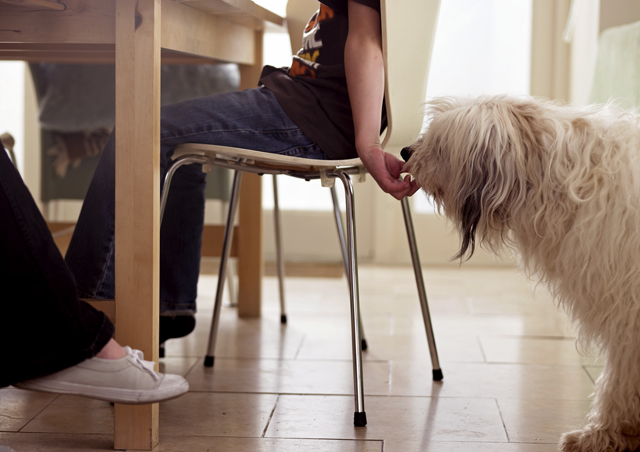
4. Table Scraps and Human Food — Sharing your dinner might seem harmless, but many human foods are high in fats, salts, and additives that pets can’t process well. Over time, those “little extras” add up to big changes in their metabolism.
5. Age and Metabolism — As pets age, their metabolism slows, and their activity naturally decreases. Neutering and spaying can also slightly reduce energy needs, meaning portion sizes may need occasional adjustment to stay in balance.
The encouraging part? Every one of these factors can be managed with awareness and consistency. A few mindful changes to feeding and play habits can prevent years of potential health complications.
4. Solutions & Healthy Habits
Helping your pet reach and maintain a healthy weight doesn’t require harsh diets or guilt — just small, consistent changes that fit naturally into everyday life. The goal isn’t perfection; it’s partnership.
1. Practice Portion Control — Measure meals instead of estimating. Using a measuring cup or scoop ensures your pet gets exactly what their size, age, and activity level require. The American Veterinary Medical Association emphasizes that proper portioning can be one of the most effective steps in preventing weight gain.
2. Switch to Scheduled Feeding — Instead of leaving food out all day, offer meals at set times. Scheduled feeding helps track intake, reduce overeating, and build predictable routines your pet can rely on.
3. Use Interactive Feeders and Slow Bowls — Puzzle feeders, maze bowls, and treat-dispensing toys slow down fast eaters and add mental stimulation. The Cornell University College of Veterinary Medicine notes that engaging feeding methods can mimic natural foraging and help burn extra calories while reducing anxiety.
4. Prioritize Daily Movement — Consistency matters more than intensity. Aim for two walks a day with dogs and a few short, high-energy play sessions with cats. Toys that encourage chasing, climbing, or tug-of-war make exercise fun, not forced.
5. Choose Healthier Treats — Replace calorie-heavy biscuits with lighter options such as freeze-dried meat, crunchy vegetables, or small pieces of their regular kibble used as rewards. The AKC recommends keeping total treats under 10% of daily calories to maintain balance.
6. Monitor Weight Regularly — Weigh your pet monthly at home or during vet visits. According to PetMD, gradual loss — about 1-2% of body weight per week — is both safe and effective. Tracking progress helps you adjust feeding or activity before issues return.
By making these small adjustments, you’re not just helping your pet lose weight — you’re helping them gain comfort, energy, and more years by your side. Every measured scoop and playful walk is a quiet act of care that builds a healthier, happier life together.
5. Helpful Products for Weight Management
The right tools make healthy habits easier to maintain. These essentials support portion control, exercise, and daily enrichment — turning weight management into a routine that feels natural for both you and your pet.
Automatic & Smart Feeders — Timed feeders like the VOLUAS Automatic Cat Feeder, PETLIBRO WiFi Feeder, and PETKIT Smart Feeder help maintain consistent portions and prevent overfeeding. For busy owners or multi-pet homes, these devices create structure and peace of mind.
Measuring Scoops — Tools such as the Van Ness 2-Cup Scoop or Pet Food Measuring Cups take the guesswork out of feeding. The AVMA highlights accurate measuring as one of the simplest, most effective ways to maintain a healthy weight.
Slow Feeders & Puzzle Bowls — For dogs that eat too fast, the Outward Hound Slow Feeder Bowl encourages slower eating and better digestion. Cats benefit from feeders like the PetSafe SlimCat Feeder Ball or TRIXIE Fun Board, which turn meals into interactive play.
Weight-Friendly Diets — Look for formulas designed for healthy weight management, such as Blue Buffalo Healthy Weight, Purina Cat Chow Naturals Indoor Healthy Weight, or Blue Buffalo Homestyle Healthy Weight Wet Food. Always transition diets gradually and confirm with your vet.
Healthy Treat Alternatives — Reward responsibly with lighter options like Vital Essentials Beef Liver Treats, INABA Churu Cat Treats, or Get Naked Weight Management Chews. They satisfy without excess calories.
Interactive Toys for Exercise — Keep pets active and entertained with toys like the Chuckit! Ultra Ball, Squishy Face Flirt Pole, or Benebone Wishbone Chew Toy. For cats, the Feather Wand Toy Set or Cat Tower of Tracks spark natural play instincts that double as exercise.
Scales & Tracking Tools — A Digital Pet Scale lets you monitor progress at home, helping catch small weight changes early — before they become a concern.
Together, these tools turn wellness into an enjoyable routine — not a chore. When used consistently, they strengthen your pet’s health, confidence, and connection with you.
6. Final Note
Helping your dog or cat reach a healthy weight isn’t about numbers on a scale — it’s about giving them more years of energy, comfort, and companionship. Every pound lost eases pressure on joints, strengthens the heart, and restores the spark that makes your pet unique.
According to veterinary experts at Tufts University and the AVMA, even modest weight loss can dramatically improve quality of life and reduce the risk of chronic disease. What starts as small daily choices — accurate portions, playful activity, mindful treats — adds up to measurable change that lasts.
At The Pet Essentials Hub, we believe that healthy pets are happy pets. Our goal is to make responsible care approachable, evidence-based, and filled with joy. With consistency and the right tools — from portion-controlled feeders and lighter treats to toys that turn movement into play — you can make pet weight management a natural, loving part of everyday life.
👉 Explore our curated Healthy Weight Essentials and take the first step toward a healthier, happier pet.
To keep your own companions thriving, we’ve gathered a collection of essentials inspired by this Creaturepedia entry.
📲 Join the Adventure
The Creaturepedia is always growing — new hybrids, new stories, new surprises. Don’t miss the next reveal.
The adventure doesn’t stop here. Visit our blog for more hybrid creatures, pet care tips, and product spotlights. Follow us on Facebook, Instagram, and Pinterest to see each creature come to life.
Please Note: As an Amazon Associate I earn from qualifying purchases. This comes at no extra cost to you
📚 Additional Resources
If you’d like to explore more on How to Keep Your Pet at a Healthy Weight, here are a few guides we recommend:


